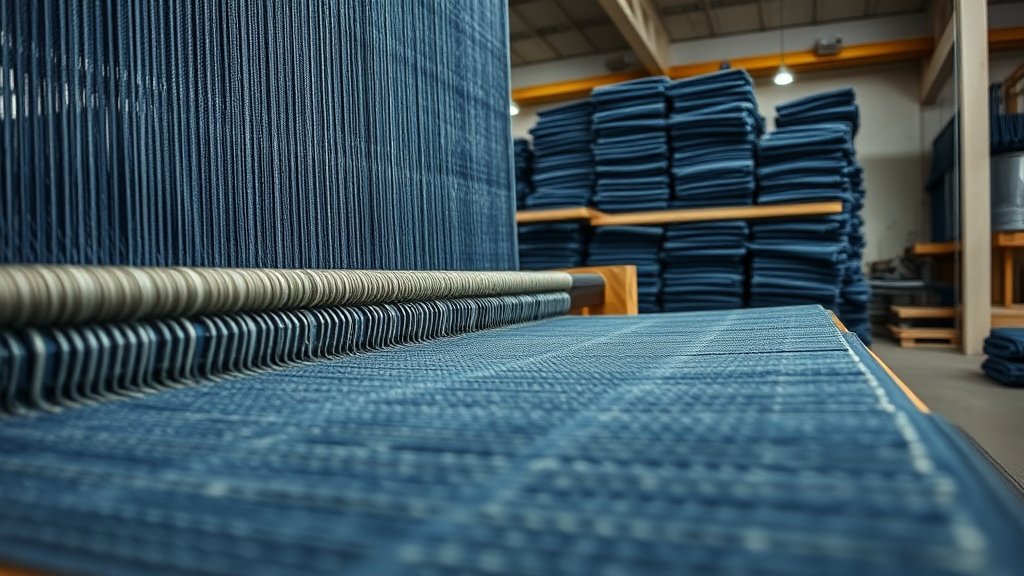
From cotton fields to closet: the journey of your favorite jeans
Ever wondered how that favorite pair of jeans started its journey? It all begins in the cotton fields, where cotton plants are cultivated and harvested. This raw cotton is then spun into yarn, a process that might sound simple but involves careful attention to detail. Think about it: every single thread needs to be perfect because any flaw can affect the final fabric.
Once the cotton is spun into yarn, it heads to the dyeing stage. Typically, denim gets its iconic blue hue from indigo dye. The yarn is repeatedly dipped into vats of dye, giving it that deep, rich color. But it’s not just about looking good; the dyeing process also has to ensure the color stays vibrant wash after wash. After dyeing, the yarns are woven into denim fabric using a twill weave. This is what gives denim its unique texture and durability. So next time you slip into your jeans, remember all the hands and steps involved before it even reached the store.
Crafting the perfect pair of jeans
Now, transforming that denim fabric into a pair of jeans is an art in itself. Each piece has to be cut precisely, considering the grain of the fabric to avoid any stretching or misalignment. There’s a lot more to it than meets the eye. Imagine a puzzle where every piece must fit perfectly to create a masterpiece.
The cut pieces are then sewn together with industrial sewing machines. This part involves skilled artisans who ensure each seam is sturdy and neat. It’s fascinating how something as simple as stitching can make such a difference in comfort and durability. And let’s not forget those tiny details like rivets and buttons—small but essential components that add both functionality and style.
The role of designers in denim fashion
Designers play a crucial role in shaping denim trends. They decide on everything from the cut and fit to the wash and finish of the jeans. It’s a creative process that combines art and science. They have to predict trends while also considering practicality and comfort.
A designer might experiment with different washes—stone wash, acid wash, or even raw denim that’s untreated for a more rugged look. Each decision impacts how the denim feels and looks. And let’s not forget about sustainability; many designers are now focusing on eco-friendly practices, like using organic cotton or recycled materials.
Behind the scenes at wholesale distribution
Once the jeans are made, they need to get from the factory to your closet. This is where wholesale distributors come in. Companies like Knipidee International stock millions of meters of fabric wholesale ready for distribution worldwide. It’s a massive operation that involves logistics, quality control, and customer service.
Wholesale distribution isn’t just about moving products; it’s about ensuring that retailers get exactly what they need when they need it. This means managing inventory carefully and anticipating market demands. It’s a complex dance of supply and demand, requiring precision and foresight.
Sustainable practices in the denim industry
In recent years, there has been a significant push towards sustainability in the denim industry. Traditional denim production can be resource-intensive, involving large amounts of water and energy, not to mention harmful chemicals used in dyeing processes.
Many companies are now adopting sustainable practices to reduce their environmental footprint. This includes using organic cotton, recycling water in dyeing processes, and opting for eco-friendly dyes. Some brands even offer recycling programs for old jeans, turning them into new products instead of letting them end up in landfills.
Sustainability isn’t just a buzzword; it’s becoming a standard in the industry. Consumers are more informed than ever and are demanding transparency and responsibility from brands. It’s a positive shift that promises a better future for both fashion and the planet.


